What Is a Storm Damage Roof Inspection?
Storm damage roofs inspection is a careful examination of your roofing system following a bad weather in order to determine the apparent and concealed damages incurred by wind, hail, rain or debris. Timely inspection helps avoid leakage, structural problems, and expensive repair works as well as assist insurance claims.
Why You Should Inspect Your Roof After a Storm
After a severe storm, your roof may look fine from the ground—but hidden damage can quickly turn into expensive problems.
The main roofing elements such as the roof shingles, flashing, gutters, underlayment, and attic structures are likely to suffer the effect of the high wind, hail and flying debris.
Key Reasons to Act Fast:
- Prevent water leaks and moisture damage
- Protect attic insulation and interior ceilings
- Avoid costly structural repairs
- Strengthen your insurance claim with proper documentation
7 Things to Check During a Storm Damage Roof Inspection
You can perform a basic visual inspection safely from the ground or inside your home before calling a professional.
1.Missing or Lifted Shingles
Shingles act as your roof’s first defense. Even slight lifting can allow water to seep underneath.
Check for:
- Bare spots on the roof
- Curling or loose shingles
- Damage along ridges and edges
2. Damaged Flashing
Flashing seals vulnerable areas like chimneys, vents, and skylights.
Look for:
- Bent or cracked metal
- Gaps around roof penetrations
- Loose or missing sections
3. Hail Impact Marks
Hail can weaken your roof without obvious signs.
Inspect:
- Gutters and downspouts for dents
- Dark spots where granules are missing
- Metal surfaces and siding
4. Roof Debris
Storms often leave behind branches and debris that trap moisture.
Watch for:
- Fallen tree limbs
- Leaves blocking drainage
- Debris in roof valleys
2. Gutters and Downspouts Damage
Proper drainage protects your roof and foundation.
Check:
- Loose or sagging gutters
- Clogged debris buildup
- Water not flowing away properly
6. Interior Signs
Some damage only appears inside your home.
Inspect:
- Ceiling stains or discoloration
- Damp attic insulation
- Mold or mildew smell
7. Granules in Gutters
Granules protect shingles from UV and weather damage.
Look for:
- Excess granules in gutters
- Uneven or worn shingles
- Accumulation in downspouts
Common Misconceptions About Roof Storm Damage
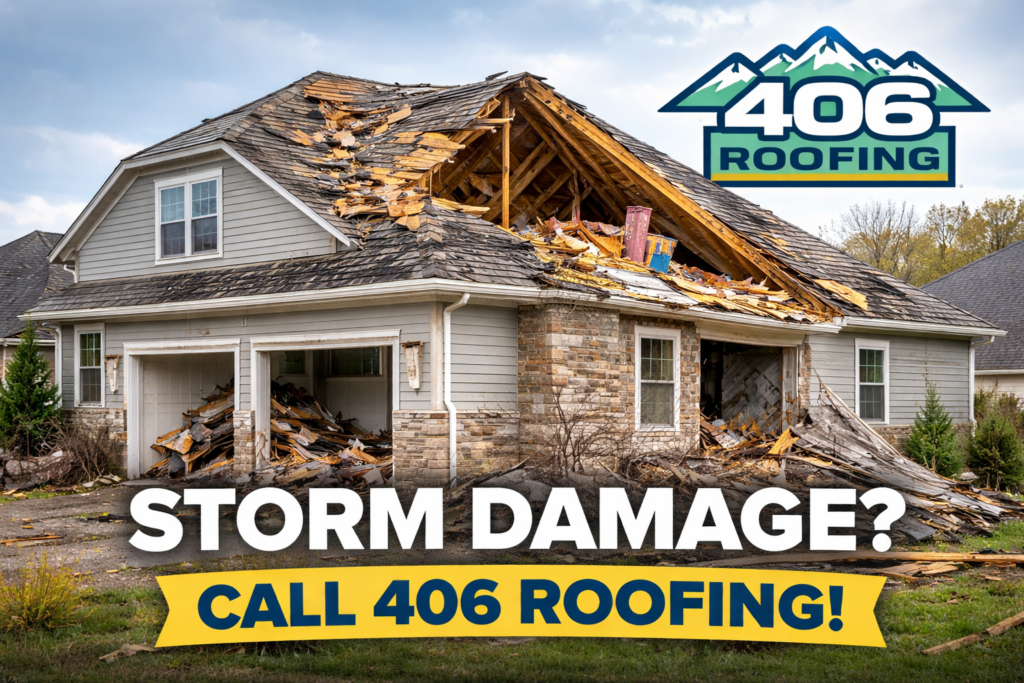
“Minor damage can wait.”
Even one missing shingle can lead to serious leaks and structural damage.
“No leak means no problem”
Hidden damage may take weeks or months to appear.
“Insurance covers everything”
Claims depend on proper documentation and roof condition before the storm.
When to Call a Professional Roofing Contractor
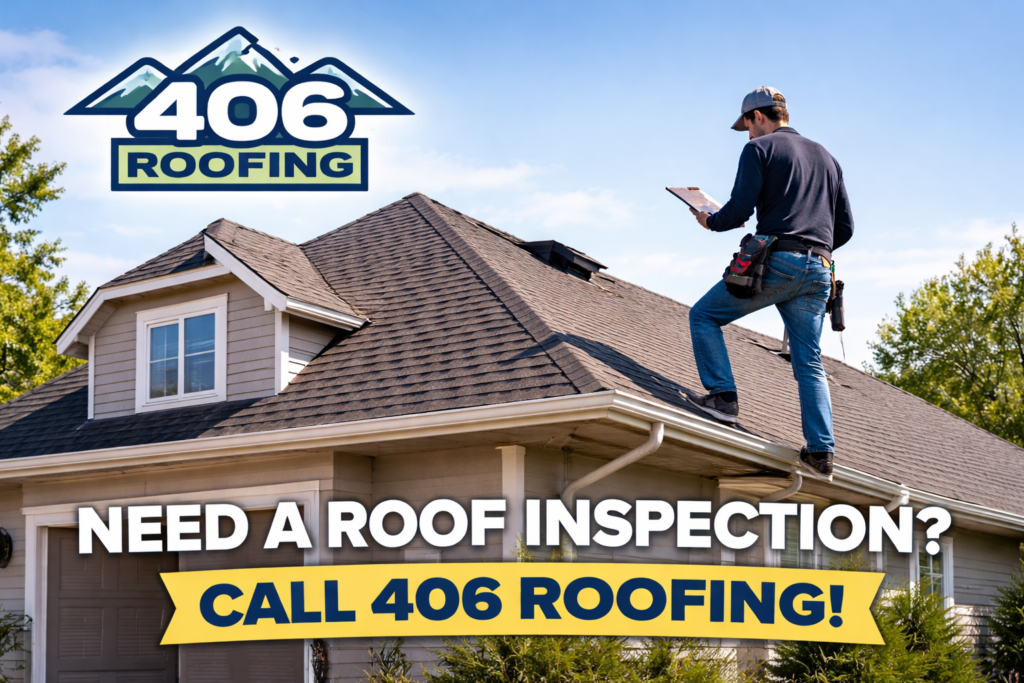
While DIY checks help, a licensed roofing expert can detect hidden issues you might miss.
Professional Inspection Includes:
- Full roof surface assessment
- Flashing and underlayment inspection
- Moisture detection in attic
- Insurance claim documentation
Protect Your Home with Expert Roofing Services
Storm damage is not always visible—but the risks are real.
At Montana Roofing Solutions, our certified and experienced team provides:
- Professional storm damage roof inspections
- Reliable roof repair services
- Insurance claim assistance
- Long-term roofing solutions
FAQ Question
1. How soon should I inspect my roof after a storm?
You should inspect your roof within 24–48 hours after a storm to identify damage early and prevent further issues.
2. Can storm damage be invisible?
Yes, hidden damage like moisture intrusion or underlayment issues may not be visible but can cause serious problems over time.
3. Will insurance cover storm damage?
Most policies cover storm damage, but proper documentation from a professional inspection is essential.
4. Is it safe to inspect my roof myself?
You can perform a ground-level inspection, but avoid climbing the roof. Always hire professionals for a detailed inspection.
5. What is the most common type of storm roof damage?
Wind damage causing missing or lifted shingles is the most common issue after storms.