Introduction
Proper ventilation is one of the most overlooked parts of a healthy roofing system. When installed correctly, understanding how to vent a metal roof becomes essential for preventing moisture buildup, regulating attic temperature, and extending the lifespan of your roofing materials.
Metal roofs are known for their durability and energy efficiency. However, without a well-designed ventilation system, heat and moisture can accumulate beneath the panels, leading to long-term issues such as condensation, insulation damage, and reduced roof performance.
For homeowners and property managers, ventilation is not optional—it’s a core component of a reliable roofing system. A properly ventilated roof helps maintain balanced airflow, protects structural components, and ensures the roof performs as intended throughout the year.
Why Ventilation Is Important for Metal Roofs
Metal roofing systems are highly resistant to external weather conditions, but the environment beneath the roof surface is equally important. Without adequate airflow, trapped heat and moisture can build up inside the attic.
A properly designed ventilation system creates a continuous airflow cycle: cool air enters through intake vents while warm, humid air exits through exhaust vents. This balance is critical for maintaining a stable attic environment.
Key Benefits of Proper Ventilation:
- Controls attic temperature in both hot and cold climates
- Prevents condensation beneath metal roofing panels
- Reduces the risk of mold, mildew, and wood rot
- Protects insulation from moisture damage
- Improves energy efficiency by reducing HVAC strain
- Extends the overall lifespan of the roofing system
In practical terms, ventilation acts as a safeguard that keeps your roofing system dry, balanced, and structurally sound over time.
How Metal Roof Ventilation Works
Metal roof ventilation relies on a simple but effective airflow principle driven by natural convection. Warm air rises, while cooler air moves in to replace it.
A properly functioning system includes:
- Intake vents (usually soffit vents) that draw fresh air into the attic
- Exhaust vents (such as ridge vents or static vents) that allow warm air to escape
This continuous cycle ensures that air does not become stagnant inside the attic.
When airflow is balanced:
- Heat is consistently removed from the attic space
- Moisture does not accumulate on surfaces
- Temperature differences across the roof are minimized
- Condensation risks are significantly reduced
Without this balance, even a high-quality metal roof can experience premature wear due to trapped heat and humidity.
Types of Ventilation Systems for Metal Roofs
Choosing the right ventilation system depends on roof design, attic layout, and environmental conditions. In many cases, a combination of ventilation types is used to achieve optimal airflow.
Ridge Vent
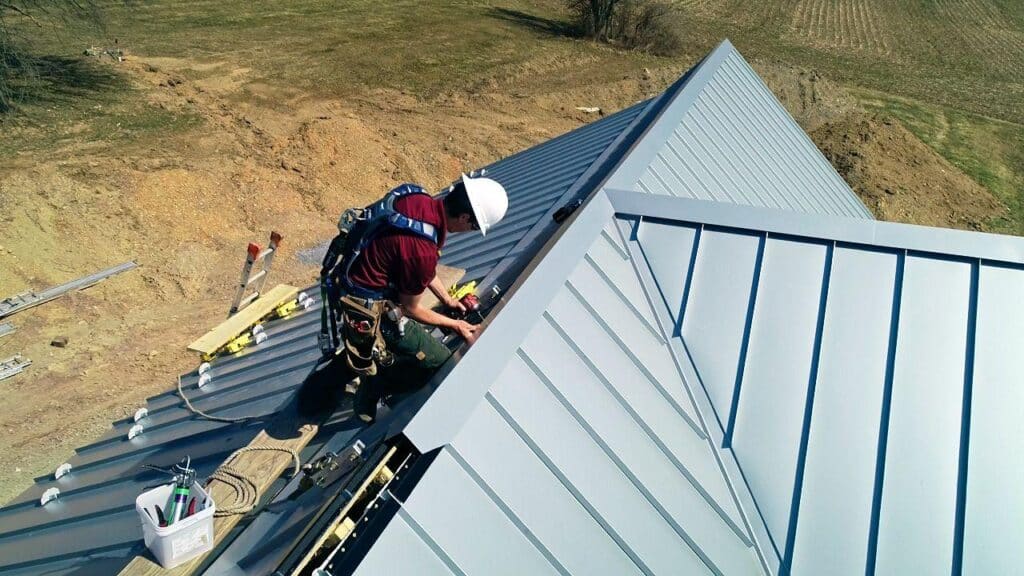
Ridge vents are installed along the peak of the roof and allow hot air to escape evenly across the entire roofline.
- Provide continuous exhaust ventilation
- Blend into the roof design
- Ideal for modern residential metal roofs
Soffit Vent
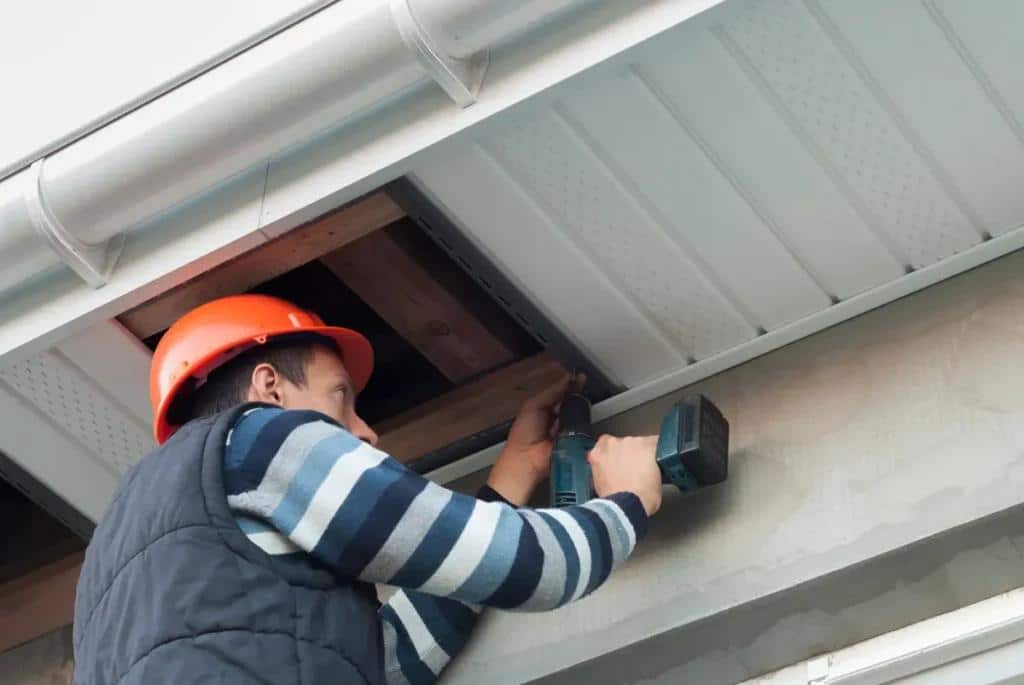
Soffit vents are installed under the eaves and serve as the primary intake source.
- Allow fresh air into the attic
- Support balanced airflow with ridge vents
- Help maintain consistent temperature
Gable Vent
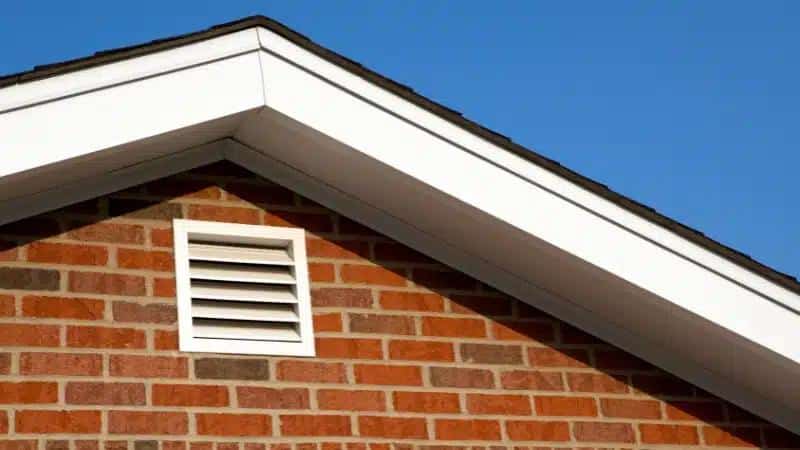
Gable vents are located on the exterior walls of the attic.
- Provide supplemental airflow
- Useful in older homes or complex roof structures
- Can enhance overall ventilation when combined with other vents
Static Roof Vent
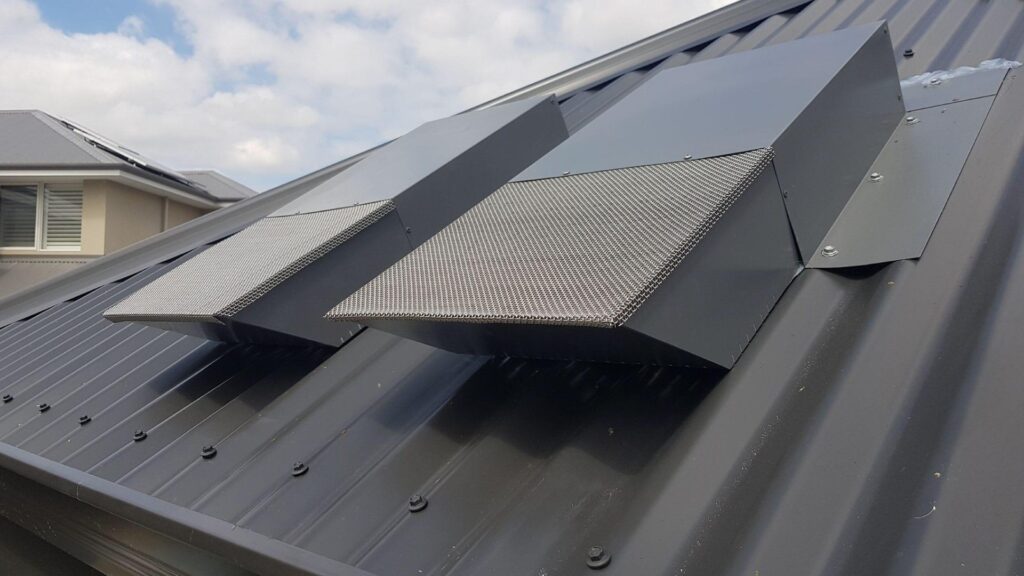
Static vents are fixed openings installed on the roof surface.
- Provide additional exhaust points
- Help release trapped hot air
- Useful when ridge vents are not feasible
Step-by-Step Guide to Vent a Metal Roof Properly
Ventilating a metal roof correctly requires planning, balance, and proper installation techniques.
Step 1: Assess Attic Size and Roof Design
Start by evaluating the attic space, roof slope, and layout. Ventilation needs vary depending on building size and structure.
Step 2: Ensure Balanced Intake and Exhaust
A proper system must include both intake (soffit) and exhaust (ridge or static) vents.
- Intake vents near eaves
- Exhaust vents near the ridge
- Balanced airflow ratio is essential
Step 3: Install Soffit Vents for Air Intake
Soffit vents should be unobstructed and evenly spaced to allow consistent airflow into the attic.
Step 4: Install Ridge Vents for Air
Ridge vents allow warm air to escape naturally from the highest point of the roof.
Step 5: Seal and Protect Vent Openings
Ensure all vent installations are properly sealed to prevent water intrusion while maintaining airflow pathways.
Step 6: Verify Airflow Pathways
Check that air can move freely from intake to exhaust without obstruction from insulation or debris.
Step 7: Inspect and Test the System
After installation, confirm that airflow is balanced and no blockages are present.
Best Practices Used by Roofing Professionals
Experienced roofing specialists follow proven methods to ensure long-term ventilation performance.
- Maintain a proper balance between intake and exhaust vents
- Use continuous ridge vents where possible
- Avoid mixing incompatible ventilation systems
- Pair ventilation with appropriate attic insulation
- Follow local building codes and ventilation guidelines
- Conduct airflow calculations before installation
A well-planned system is always more effective than adding vents randomly without considering airflow dynamics.
Common Mistakes to Avoid
Many ventilation issues arise from installation errors or poor planning.
- Blocking soffit vents with insulation
- Installing exhaust vents without sufficient intake vents
- Over-ventilating or under-ventilating the attic
- Ignoring attic insulation and vapor barriers
- Mixing ventilation systems that disrupt airflow balance
- Improper placement of vents leading to airflow short-circuits
Avoiding these mistakes is crucial to maintaining an efficient and durable roofing system.
Signs of Poor Ventilation
Recognizing early warning signs can help prevent serious damage.
- Excessive attic heat during summer months
- Visible condensation on rafters or decking
- Mold or mildew growth in the attic
- Peeling paint or warped wood structures
- Ice dams forming during winter
- Increased energy bills due to HVAC strain
These indicators often suggest that airflow is insufficient or improperly balanced.
Maintenance and Inspection Tips
Routine maintenance ensures your ventilation system continues to function effectively over time.
- Inspect vents at least once or twice a year
- Keep soffit vents clear of dust, debris, and insulation
- Check for blockages in ridge or exhaust vents
- Look for signs of moisture or leaks in the attic
- Ensure insulation does not restrict airflow paths
- Schedule professional inspections when needed
Regular monitoring helps maintain performance and prevents costly repairs.
Frequently Asked Questions (FAQ)
Do metal roofs require ventilation?
Yes. Proper ventilation is essential for all roofing systems to maintain airflow, prevent condensation, and protect structural components.
What happens if a metal roof is not ventilated properly?
Without proper ventilation, heat and moisture can build up in the attic, leading to mold growth, insulation damage, reduced energy efficiency, and premature roof deterioration.
Can ridge vents be used with metal roofs?
Yes, ridge vents are commonly used with metal roofs and are one of the most effective solutions for continuous exhaust ventilation.
How much ventilation does a roof need?
Ventilation requirements depend on attic size and building codes, but a balanced intake-to-exhaust ratio is typically recommended for optimal airflow.
How do you prevent condensation under a metal roof?
Condensation can be minimized by ensuring proper airflow, installing balanced intake and exhaust vents, and combining ventilation with adequate insulation.
Conclusion
Proper ventilation plays a critical role in the performance and longevity of a metal roofing system. It helps regulate attic temperature, control moisture, and maintain structural integrity over time.
A well-designed system includes balanced intake and exhaust ventilation, correct installation of ridge and soffit vents, and careful attention to airflow pathways. When combined with proper insulation and professional installation, ventilation significantly reduces the risk of condensation, mold, and premature roof damage.
For best results, homeowners should always consider ventilation as an integral part of their roofing system rather than an optional add-on.